Breeding goldfish can be one of the most rewarding experiences for any aquarium hobbyist. Watching your healthy adult goldfish produce eggs and then seeing tiny fry grow into beautiful fish is both exciting and educational. However, breeding goldfish successfully requires proper planning, the right environment, and consistent care.
In this guide, you’ll learn everything you need to know about how to breed goldfish—from selecting the breeding pair to raising the fry.
Understanding Goldfish Breeding Basics
Goldfish are egg-laying freshwater fish that usually breed in spring when water temperatures begin to rise. In the wild, this seasonal change triggers spawning behavior. In captivity, breeders can mimic these conditions to encourage reproduction.
Goldfish reach sexual maturity at around one year old, although they breed best when they are two to three years old. Healthy, well-fed fish are much more likely to breed successfully.
Before attempting to breed goldfish, it’s important to understand the difference between males and females.
Identifying Male and Female Goldfish
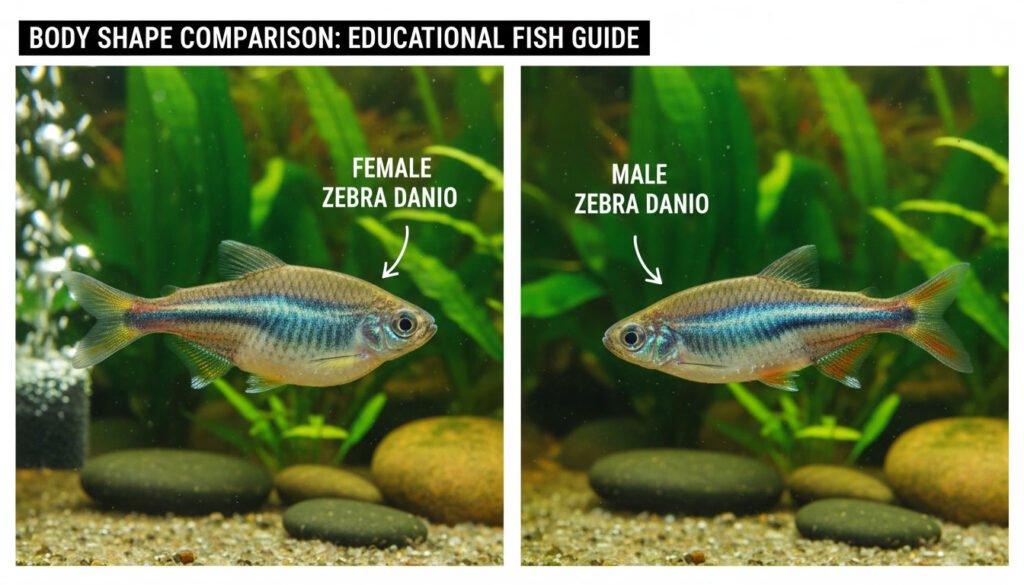
Male goldfish often develop small white spots called breeding tubercles on their gill covers and pectoral fins during breeding season. Their bodies are usually slimmer than females.
Female goldfish tend to have rounder, fuller bodies, especially when carrying eggs. When viewed from above, females appear wider around the abdomen.
Being able to identify the sexes correctly is the first step in creating a breeding pair.
Choosing Healthy Breeding Goldfish
Selecting healthy fish is essential for successful breeding. Weak or unhealthy fish may not spawn, and poor genetics can lead to weak fry.
When choosing breeders:
- Select active and disease-free goldfish
- Choose fish with bright coloration
- Avoid fish with torn fins or deformities
- Use mature fish between 2 and 3 years old
It is often recommended to keep one female with two males. This improves the chances of fertilization during spawning.
Fancy goldfish can be bred, but common goldfish and comet goldfish are generally easier for beginners.
Setting Up a Breeding Tank
A separate breeding tank increases the chances of successful spawning and protects the eggs from being eaten.
Tank Size
A breeding tank of at least 20 to 30 gallons is suitable for one female and two males. The tank should have enough swimming space and stable water conditions.
Water Conditions
Goldfish breed best in clean, well-oxygenated water.
Ideal breeding conditions:
- Temperature: 68°F to 74°F (20°C to 23°C)
- pH: 7.0 to 7.8
- Gentle filtration
- Good aeration
Slowly increasing the water temperature over several days can help trigger spawning behavior.
Spawning Material
Goldfish scatter sticky eggs onto plants or spawning mops. Add one of the following to the tank:
- Live plants such as hornwort or java moss
- Artificial spawning mops
- Soft aquarium plants
These provide surfaces where the eggs can attach safely.
Conditioning Goldfish for Breeding
Before breeding, adult goldfish need to be conditioned with a nutritious diet.
Feed the breeding fish high-protein foods for two weeks, such as:
- Brine shrimp
- Bloodworms
- Daphnia
- Quality pellets
This extra nutrition helps females produce eggs and encourages males to breed.
Keep the fish in excellent water quality during conditioning. Frequent partial water changes are recommended.
Recognizing Spawning Behavior
When goldfish are ready to breed, the males begin chasing the female around the tank. This behavior can become vigorous.
The males nudge the female’s abdomen to encourage her to release eggs. Once the female releases the eggs, the males immediately fertilize them in the water.
This spawning process can last for several hours.
A single female may lay hundreds or even thousands of eggs.
The eggs are tiny, sticky, and usually transparent or pale yellow.
Removing the Parents After Spawning
Adult goldfish do not care for their eggs and will often eat them if left in the breeding tank.
As soon as spawning is complete, remove the adult fish carefully and place them back into their regular tank.
Leaving the eggs undisturbed gives them the best chance of hatching.
Caring for Goldfish Eggs
Goldfish eggs usually hatch within 4 to 7 days depending on water temperature.
During this period:
- Maintain stable temperature
- Keep the water well aerated
- Remove any white or fuzzy eggs, as these are infertile or infected with fungus
Some breeders use methylene blue to prevent fungal growth on the eggs, but clean water and good aeration are often enough.
Fertilized eggs remain clear, while unfertilized eggs turn white.
Caring for Goldfish Fry
Once the eggs hatch, the fry will attach themselves to surfaces for the first couple of days while absorbing their yolk sacs.
After they become free-swimming, they need very small food.
First Foods for Fry
Feed newly hatched fry:
- Infusoria
- Liquid fry food
- Crushed egg yolk in tiny amounts
- Baby brine shrimp after a few days
Feed small amounts several times a day to support growth.
Avoid overfeeding, as uneaten food can quickly pollute the water.
Maintaining Water Quality for Fry
Goldfish fry are extremely sensitive to poor water conditions.
To keep them healthy:
- Perform small daily water changes
- Use a sponge filter to avoid sucking up fry
- Remove uneaten food
- Monitor ammonia and nitrite levels
Clean water is one of the most important factors in raising healthy fry.
Separating Growing Fry
As the fry grow, size differences become obvious. Larger fry may outcompete smaller ones for food.
Separate fry by size when necessary to ensure even growth.
At around 2 to 3 months, young goldfish begin developing their color, although many fry start out brown or bronze.
Over time, their final colors will appear.
Common Challenges in Goldfish Breeding
Breeding goldfish is rewarding but comes with challenges.
Eggs Fungus Easily
Poor water quality can cause fungal growth on eggs. Good aeration and clean water help prevent this.
Parents Eat Eggs
Always remove the parents immediately after spawning.
Fry Mortality
Young fry are fragile. Proper feeding and excellent water conditions are essential.
Overcrowding
Goldfish produce many eggs, and overcrowding can quickly become a problem. Be prepared with extra tank space.
Tips for Successful Goldfish Breeding
If you want better breeding results, keep these tips in mind:
- Use mature, healthy fish
- Condition breeders with protein-rich food
- Maintain clean water
- Use a separate breeding tank
- Remove parents after spawning
- Feed fry small frequent meals
Patience is important. Not every breeding attempt will be successful, especially for beginners.
Final Thoughts
Learning how to breed goldfish can be an enjoyable and rewarding journey. With the right setup, healthy breeding fish, and proper care for eggs and fry, even beginners can successfully breed goldfish at home.
The key to success is maintaining excellent water quality, providing nutritious food, and carefully monitoring the breeding process.
Although raising goldfish fry requires time and patience, the experience of watching tiny fry grow into beautiful adult fish makes the effort worthwhile.
Whether you are breeding goldfish as a hobby or to expand your aquarium collection, following these steps will greatly improve your chances of success.