Breeding goldfish can be a fascinating and rewarding experience, especially for aquarium enthusiasts who want to expand their fish-keeping skills. Watching your goldfish go through the spawning process and seeing tiny fry hatch is both exciting and educational. However, successful goldfish breeding requires proper preparation, the right tank conditions, and ongoing care for both the eggs and the fry.
If you are new to fish breeding, this guide will walk you through the essential goldfish breeding tips for beginners so you can increase your chances of success.
Why Breed Goldfish?
Goldfish are among the most popular aquarium fish in the world because of their bright colors, peaceful nature, and hardiness. Breeding them allows hobbyists to learn more about fish behavior while producing healthy new generations.
Many beginners are interested in breeding goldfish because:
- Goldfish are relatively easy to breed compared to some tropical fish
- They can produce a large number of eggs
- The breeding process is interesting to observe
- Raising fry can be a rewarding hobby
Although goldfish are considered beginner-friendly, proper planning is essential to ensure the health of the parents and fry.
Choosing the Right Goldfish for Breeding
One of the most important breeding tips is choosing healthy adult fish. Weak or immature fish may not spawn successfully, and unhealthy parents can produce poor-quality eggs.
When selecting goldfish for breeding:
- Choose fish that are at least one year old
- Select active, disease-free fish
- Avoid fish with torn fins or visible deformities
- Use fish with strong coloration and good body shape
It is often recommended to keep one female with two males during breeding to improve the fertilization rate.
How to Identify Male and Female Goldfish
Before breeding, you need to identify the sex of your goldfish.
Male Goldfish
Male goldfish usually develop tiny white spots called breeding tubercles on their gill covers and pectoral fins during breeding season. They are often slimmer than females.
Female Goldfish
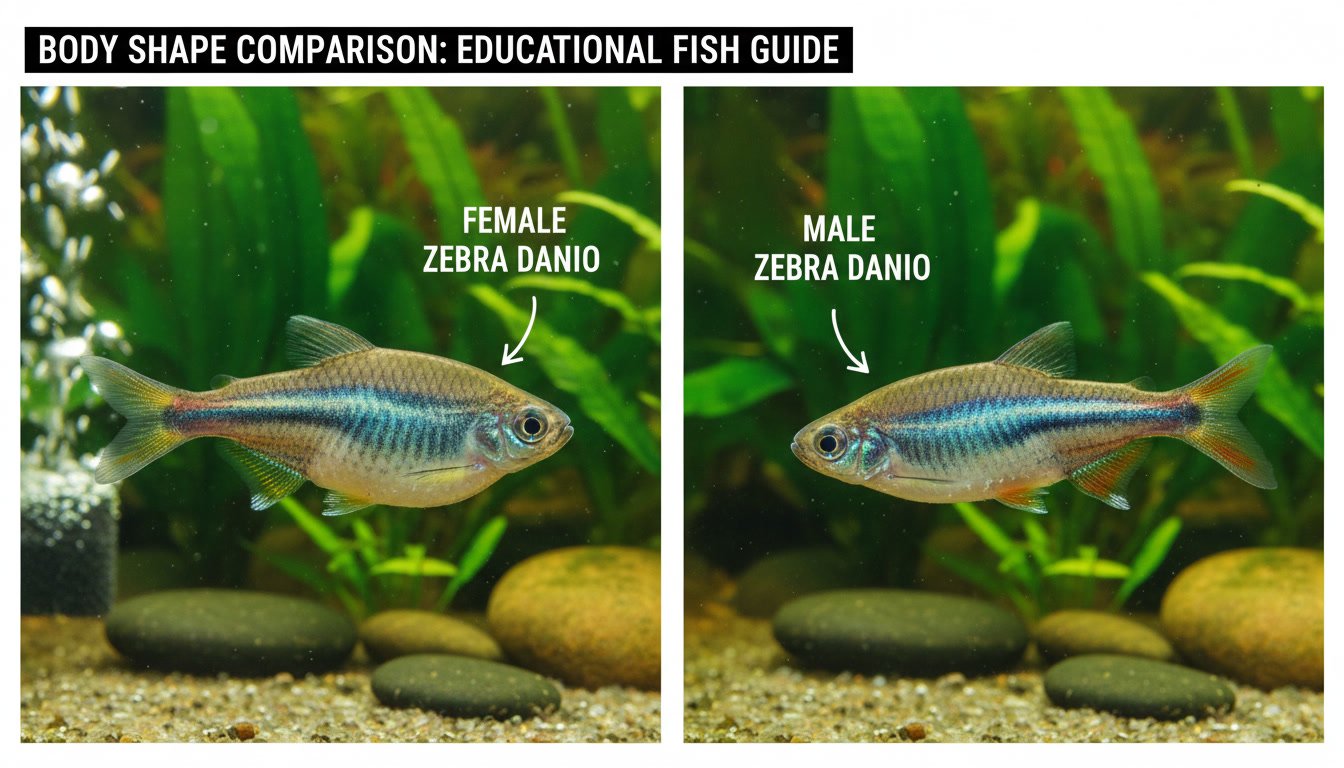
Female goldfish have a fuller, rounder body shape, especially when they are carrying eggs. Their abdomen appears larger and softer before spawning.
Correctly identifying the male and female fish is essential for successful breeding.
Preparing a Breeding Tank
A separate breeding tank is the best option because it provides a safe environment for spawning and protects the eggs.
Tank Size
Use a breeding tank of at least 20 gallons. A larger tank provides more stability in water conditions.
Water Conditions
Maintain ideal water quality:
- Temperature: 68°F to 74°F
- pH: 7.0 to 7.8
- Good aeration
- Gentle filtration
A sponge filter works well because it keeps the water clean without harming the eggs or fry.
Spawning Surfaces
Goldfish eggs are sticky, so they need surfaces to attach to. Add:
- Live plants
- Spawning mops
- Soft artificial plants
These materials help collect the eggs safely.
Conditioning Goldfish Before Breeding
Conditioning means feeding the breeding fish a high-quality diet to prepare them for spawning.
Offer protein-rich foods such as:
- Bloodworms
- Brine shrimp
- Daphnia
- High-quality pellets
Feed these foods for about two weeks before breeding.
Proper conditioning helps females develop eggs and encourages males to become more active during breeding.
Triggering Spawning Behavior
Goldfish usually spawn when water temperatures rise gradually, similar to spring conditions in nature.
To trigger spawning:
- Keep the fish in slightly cooler water for a few days
- Slowly increase the temperature by a few degrees
- Perform partial water changes with fresh water
These changes often stimulate spawning activity.
Signs That Goldfish Are Ready to Spawn
When the fish are ready to breed, the males begin chasing the female around the tank. This is one of the clearest signs that spawning is about to occur.
Other signs include:
- Males nudging the female’s abdomen
- Increased activity
- Females appearing fuller with eggs
The chasing behavior may continue for several hours before the female releases eggs.
The Goldfish Spawning Process
During spawning, the female scatters eggs onto plants or spawning mops while the males release sperm to fertilize them.
A female goldfish may lay hundreds or even thousands of eggs in one spawning session.
The eggs are:
- Small
- Sticky
- Transparent or pale yellow
Once the eggs are laid and fertilized, the breeding adults should be removed immediately.
Removing the Parents
One of the most important beginner breeding tips is removing the adult goldfish after spawning.
Goldfish do not protect their eggs. In fact, they often eat them.
Move the adults back to their original tank as soon as spawning ends to protect the eggs.
Caring for Goldfish Eggs
Goldfish eggs generally hatch within 4 to 7 days depending on water temperature.
To care for the eggs:
- Maintain stable water temperature
- Keep the water oxygenated
- Remove white or fuzzy eggs
White eggs are usually infertile or infected with fungus.
Good aeration helps healthy eggs hatch successfully.
Caring for Newly Hatched Fry
After hatching, the fry remain attached to plants or tank surfaces for the first few days while they absorb nutrients from their yolk sacs.
Once they begin swimming freely, they need food.
Best Foods for Fry
Start with:
- Infusoria
- Liquid fry food
- Crushed egg yolk in tiny amounts
After several days, you can introduce baby brine shrimp.
Feed small amounts several times daily for steady growth.
Maintaining Clean Water for Fry
Young goldfish fry are very sensitive to water quality.
To keep them healthy:
- Perform small daily water changes
- Use a sponge filter
- Remove uneaten food
- Monitor water quality regularly
Clean water greatly improves fry survival rates.
Managing Fry Growth
As the fry grow, some will become larger than others.
Larger fry may outcompete smaller fry for food, so separate them by size if needed.
Most fry begin showing their true colors after several weeks, although many hatch as brown or bronze.
With proper care, the fry will continue growing into healthy young goldfish.
Common Goldfish Breeding Problems
Beginners often face a few common challenges:
Fungus on Eggs
Poor water quality can lead to fungal growth. Good aeration helps prevent this.
Low Fry Survival
This often happens because of poor feeding or poor water quality.
Adults Eating Eggs
Removing the parents immediately solves this problem.
Overcrowding
Goldfish lay many eggs, so be prepared for limited tank space.
Final Tips for Beginner Success
To improve your breeding success:
- Start with healthy adult fish
- Use a separate breeding tank
- Feed protein-rich foods before spawning
- Remove adults after eggs are laid
- Keep water conditions stable
- Feed fry several times a day
Patience is essential. Not every spawning attempt will be successful, but each attempt helps you gain experience.
Conclusion
Breeding goldfish is an enjoyable and educational part of fish keeping. With the right preparation, a proper breeding setup, and careful fry care, even beginners can successfully breed goldfish at home.
The most important factors are selecting healthy breeders, maintaining excellent water quality, and providing proper food for the fry. While breeding requires patience and attention, the reward of seeing young goldfish grow makes the effort worthwhile.
By following these beginner goldfish breeding tips, you can create the best environment for successful spawning and raise healthy young goldfish with confidence.